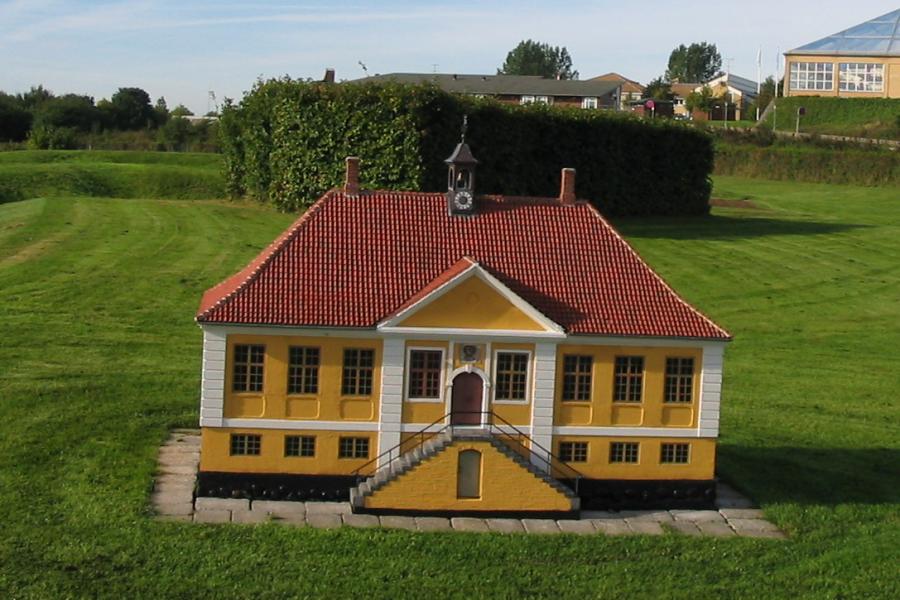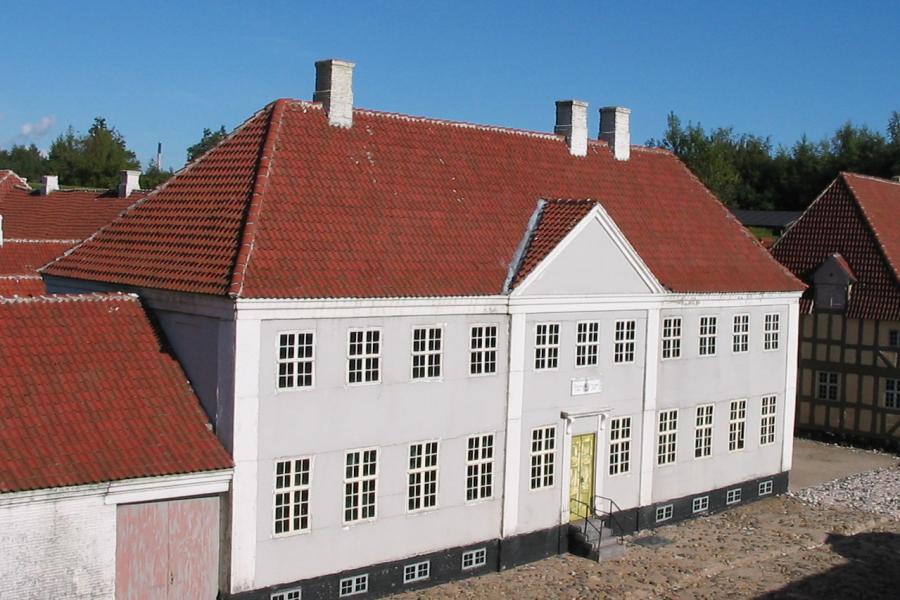
The Historical Mini Town recreates the market town of Fredericia as it looked in 1849, complete with its straight streets, low-rise buildings and the impressive green ramparts surrounding the town. Every street, building and section of the fortress has been recreated at a 1:10 scale with remarkable attention to detail.
Discover how the miniature buildings are made, the traditional materials used to create them, and the craftsmanship behind every model. You'll also learn about the dedicated volunteers whose passion and expertise continue to bring The Historical Mini Town to life.
The history of Fredericia
In 1649, King Frederik III ordered the construction of a new fortress at the narrowest point of the Little Belt. The chosen location was originally named Frederiksodde, before being renamed Fredericia in 1664.
The vision was not only to build a fortress, but also a thriving town with trade, farming and maritime activity. Plans even included a royal palace surrounded by canals, should the King choose Fredericia as his royal residence.
Building the town was a huge undertaking. Much of the area consisted of marshland, making construction difficult despite offers of free land and tax exemptions to encourage new residents. Several nearby villages were relocated, and their farms were rebuilt within the new fortress walls.
Construction of Fredericia's famous ramparts and bastions began in 1650, carried out by around 5,000 soldiers and labourers using only wheelbarrows, picks and shovels.
Who builds the miniature houses?
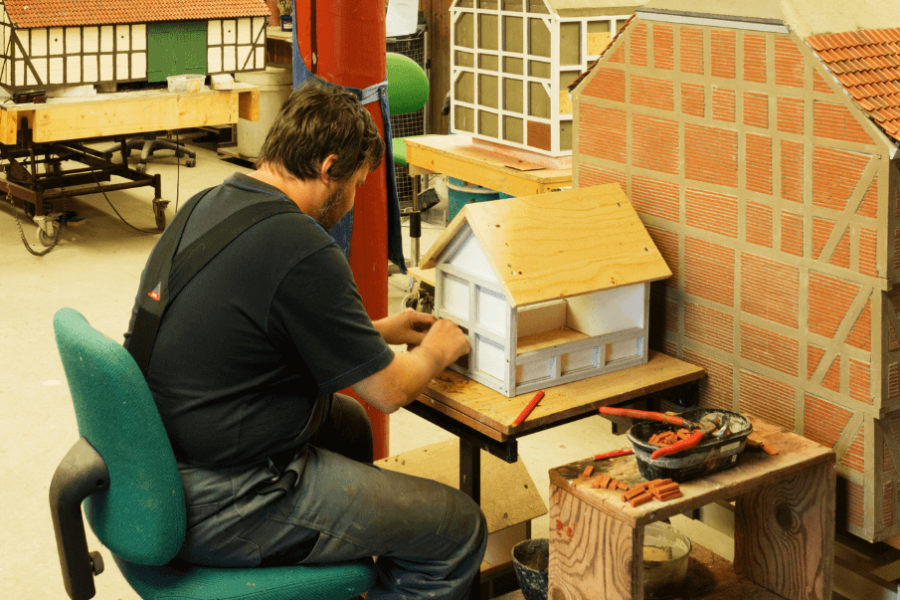
The buildings in The Historical Mini Town are created by a dedicated team of around 40 volunteer craftspeople, working in workshops provided by Fredericia Municipality.
Together, they spend thousands of hours each year building, restoring and maintaining the miniature town. Around 40 buildings are completed annually, with approximately 10 new buildings added each year, while the remaining work focuses on carefully restoring existing models.
How are the buildings made?
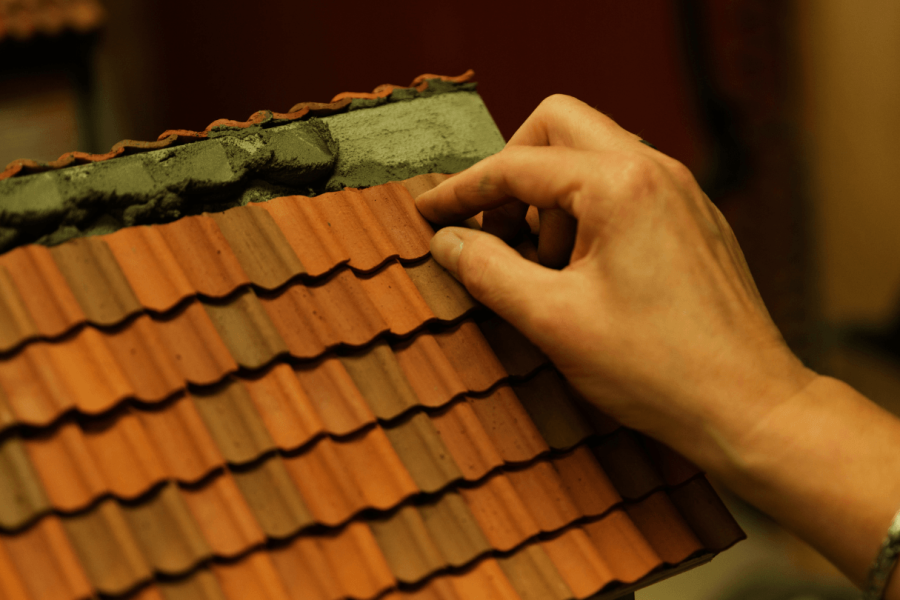
Every building is constructed at a 1:10 scale using many of the same materials that would have been used in 1849, including handmade miniature bricks and roof tiles fired in the Mini Town's own kiln.
Before construction begins, extensive historical research is carried out using original drawings, archive material and historical records. Fredericia Museum and the Local History Archive help document each building, while volunteer draftspeople prepare detailed construction drawings.
Once the research is complete, each building is carefully assembled on miniature foundations. For durability, timber framing, doors and windows are produced in plastic rather than wood, while colours are matched as closely as possible to their original historic appearance.
The history of The Historical Mini Town
The Historical Mini Town was established by Fredericia Municipality in 1983 to commemorate the victory at the Battle of Fredericia on 6 July 1849.
The model recreates both the fortress and the town exactly as they appeared that year. Visitors can explore the complete defensive system, including the seven full bastions, two half bastions and the coastal fortifications that made Fredericia one of Denmark's most important fortress towns.
Notable buildings
The Historical Mini Town features many of Fredericia's best-known historic buildings, several of which can still be seen in the city today.
These include the Reformed Church, Trinitatis Church and the Lion Pharmacy (Løve Apotek).
You'll also find miniature versions of The Powder Tower (Krudttårnet), Nordstjernen – Fredericia's oldest surviving house – and the historic hospital from Riddergade.
At the entrance to The Historical Mini Town stands Hans de Hofman's Town Hall, Fredericia's Town Hall in 1849. Once the miniature town is complete, the building will be moved to its original location at the corner of Sjællandsgade and Vendersgade.